
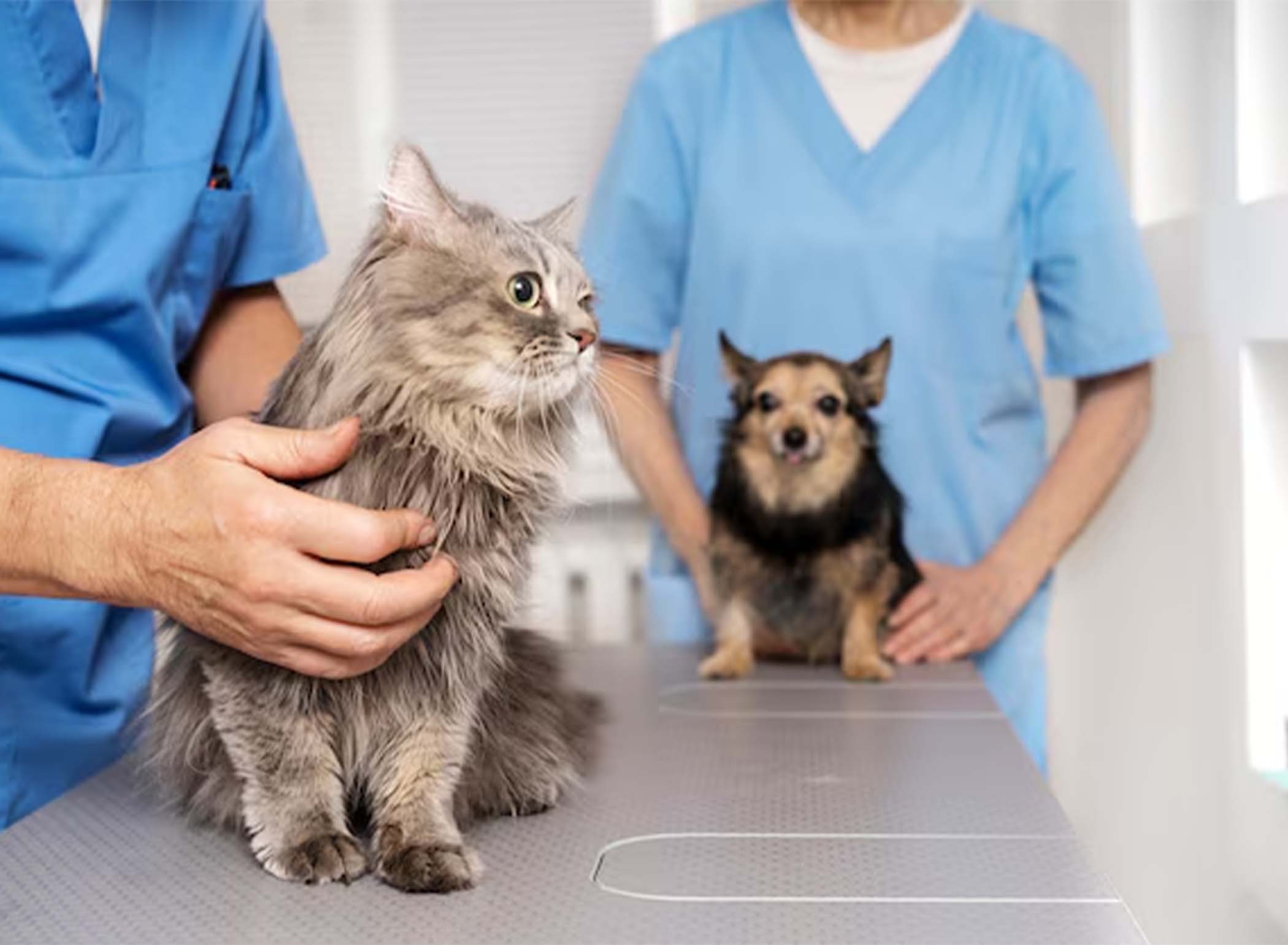
Affordable Pet Care in East New York: Your Guide to Our Brooklyn Community Veterinary Clinic
Bringing Quality Veterinary Care to East New York
The Community Veterinary Clinic by the Alex and Elisabeth Lewyt Charitable Trust is located in the East New York neighborhood of Brooklyn, serving as a vital resource for pet owners in the community who need affordable veterinary services. We understand that financial barriers should never prevent loving pet owners from providing necessary medical care for their companion animals. Our clinic offers vaccine and wellness services by appointment to eligible dog and cat owners, ensuring that pets in our community receive the care they deserve regardless of their families' economic circumstances.
Our Brooklyn Location
Clinic Address and Accessibility
Our community veterinary clinic is conveniently located in the heart of East New York, making it accessible to residents throughout the surrounding neighborhoods:
Address:
464 New Lots Avenue
Brooklyn, NY 11207
Getting to Our Clinic
Public Transportation:
- Subway: Take the 3 train to New Lots Avenue station (last stop on the line)
- Bus Routes: Multiple bus lines serve New Lots Avenue including:
- B6 bus along New Lots Avenue
- B12 bus connecting to the area
- B15 bus serving the neighborhood
- B83 bus providing additional access
Driving and Parking:
- Street parking available in the surrounding area
- Accessible by car from major Brooklyn thoroughfares
- Consider allowing extra time for parking during busy periods
Clinic Hours and Appointment Information
Operating Schedule
Our clinic operates by appointment only, Monday through Friday from 9:00 a.m. to 5:00 p.m. We do not accept walk-in visits, ensuring that each scheduled appointment receives the full time and attention needed for quality veterinary care.
Important: We are closed for all major holidays. Please plan ahead when scheduling appointments around holiday periods.
Appointment Punctuality
Please arrive to appointments on time. If pet parents are more than 15 minutes late, we may need to reschedule, and appointment availability is very limited. Arriving on time helps us:
- Provide full scheduled time for your pet's examination and care
- Stay on schedule for all pet owners with appointments that day
- Maximize the number of pets we can serve
- Ensure quality care without rushing through appointments
Tips for Arriving on Time
- Plan Extra Travel Time: Account for potential transit delays or traffic
- Prepare in Advance: Have your pet ready to go before departure time
- Know Your Route: Familiarize yourself with directions before appointment day
- Set Reminders: Use phone alarms or calendar alerts for appointment times
- Have Backup Plans: Identify alternative transportation options if needed
- Bring Required Documents: Gather eligibility documentation the night before
No Walk-Ins Accepted
Due to the high demand for our services and the need to provide quality care to each pet, we cannot accommodate walk-in visits. All services require advance appointment scheduling. This appointment-only policy allows us to:
- Ensure adequate staffing for each scheduled visit
- Prepare for specific services your pet needs
- Allocate appropriate time for examinations and procedures
- Maintain organized, efficient clinic operations
- Serve as many eligible pet owners as possible through planned scheduling
Eligibility Requirements
Geographic Eligibility
To be eligible for services at our Brooklyn Community Veterinary Clinic, pet owners must reside in one of the following East New York zip codes:
- 11207: East New York
- 11208: East New York / Cypress Hills
- 11212: Brownsville / Ocean Hill
Proof of residence in one of these zip codes is required, which can be demonstrated through various forms of identification or documentation showing your current address.
Financial Eligibility
In addition to geographic requirements, pet owners must show proof of public assistance to qualify for services. This requirement ensures that our subsidized veterinary services reach families who face the greatest financial barriers to pet care.
Acceptable Documentation
To qualify for services, you must bring one of the following types of documentation to your appointment:
- Public Housing: Documentation showing residence in public housing
- Supplemental Security Income (SSI): SSI benefits documentation
- Disability/SSD: Social Security Disability benefits documentation
- Medicaid: Current Medicaid card or benefits statement
- Welfare: Public assistance benefits documentation
- Temporary Assistance for Needy Families (TANF): TANF benefits card or documentation
- Food Stamps (SNAP): Supplemental Nutrition Assistance Program EBT card or documentation
- WIC: Women, Infants, and Children program documentation
- Food and Nutrition Services: Any food assistance program documentation
Documentation Requirements
When bringing documentation for your appointment:
- Bring original documents or official copies, not photocopies when possible
- Ensure documentation is current and shows your name
- Bring documentation showing your address in an eligible zip code
- Have documentation ready to present at check-in
- If you have questions about acceptable documentation, call ahead to verify
How to Book an Appointment
Eligibility Determination and Scheduling
To determine if you are eligible for an appointment at our clinic and to get detailed information on booking procedures, prospective clients should visit our online eligibility questionnaire. This system helps us:
- Verify that you meet geographic and financial eligibility requirements
- Understand what services your pet needs
- Identify available appointment times
- Provide information about what to bring to your appointment
- Answer common questions about clinic services and policies
Booking Process
The typical appointment booking process includes:
- Complete Online Questionnaire: Answer questions about your location, assistance programs, and pet's needs
- Eligibility Confirmation: Receive verification that you qualify for services
- Appointment Scheduling: Select from available appointment times
- Confirmation: Receive appointment details and reminders
- Preparation: Gather required documentation and prepare your pet
- Attendance: Arrive on time with your pet and documentation
What to Bring to Your Appointment
When attending your scheduled appointment, please bring:
- Required Documentation: Proof of public assistance from the acceptable list
- Proof of Address: Documentation showing you live in 11207, 11208, or 11212
- Pet Medical Records: Any previous veterinary records if available
- Your Pet: Securely transported in appropriate carrier (cats) or on leash (dogs)
- List of Concerns: Written notes about any health issues or questions
- Current Medications: Information about any medications your pet is taking
Available Services and Pricing
Comprehensive Basic Veterinary Care
Our Community Veterinary Clinic provides basic veterinary services for cats and dogs, focusing on preventive care, common health issues, and essential procedures. Most services are provided free of charge for eligible clients, ensuring that financial barriers do not prevent pets from receiving necessary care.
Service Fee Structure
While most services are free for eligible clients, there may be fees for a few specific services. We will discuss any applicable fees with you during your pet's visit, ensuring transparency about costs before any services are provided. This approach allows us to:
- Provide maximum services at no cost to qualifying families
- Ensure sustainability of clinic operations
- Cover costs of specialized or resource-intensive services when necessary
- Maintain honest communication about any financial expectations
Physical Examinations
Comprehensive physical examinations form the foundation of preventive veterinary care:
- Complete Physical Assessment: Thorough examination of all body systems
- Weight and Body Condition: Evaluation of nutritional status
- Heart and Lung Assessment: Cardiovascular and respiratory examination
- Oral Health Check: Dental and mouth examination
- Skin and Coat Evaluation: Assessment for parasites, infections, or abnormalities
- Musculoskeletal Check: Evaluation of joints, bones, and mobility
- Discussion of Findings: Clear explanation of examination results and recommendations
Vaccines and Deworming
Preventive care services protect your pet and public health:
Vaccines Available
For Dogs:
- Rabies: Required by law for all dogs
- Distemper Combination (DHPP): Protection against distemper, hepatitis, parvovirus, and parainfluenza
- Bordetella: Prevention of kennel cough (if recommended)
- Leptospirosis: Protection against bacterial disease (if recommended)
For Cats:
- Rabies: Essential protection and legal requirement
- FVRCP: Protection against feline viral rhinotracheitis, calicivirus, and panleukopenia
- Feline Leukemia (FeLV): For cats at risk of exposure (if recommended)
Deworming Services
- Treatment for intestinal parasites common in dogs and cats
- Medications targeting roundworms, hookworms, and other parasites
- Preventive deworming for puppies and kittens
- Follow-up treatments as needed based on examination findings
Microchip Identification
Permanent identification increases chances of reunification if pets become lost:
- Microchip Implantation: Quick, simple procedure providing permanent identification
- Registration: Information about registering your pet's microchip
- Lost Pet Protection: Critical tool for reuniting lost pets with families
- Proof of Ownership: Documentation of your relationship with your pet
Treatment of Common Health Issues
Our clinic addresses frequently encountered medical conditions:
Skin Conditions
- Diagnosis and treatment of bacterial or fungal skin infections
- Management of allergic skin conditions
- Treatment for flea infestations and prevention
- Care for wounds or skin injuries
- Medications and instructions for home care
Eye Infections and Conditions
- Treatment of conjunctivitis and eye infections
- Management of eye discharge or irritation
- Basic eye examinations
- Medications for common eye conditions
- Referrals for complex eye issues requiring specialist care
Ear Infections
- Diagnosis of bacterial or yeast ear infections
- Ear cleaning and medication
- Treatment instructions for home care
- Prevention advice for reducing recurrence
- Management of ear mites in cats
Spay and Neuter Surgery
Surgical sterilization services for both dogs and cats:
Benefits of Spay/Neuter
- Population Control: Preventing unwanted litters and pet overpopulation
- Health Benefits: Reducing risk of certain cancers and reproductive diseases
- Behavioral Benefits: Decreasing roaming, aggression, and marking behaviors
- Community Benefit: Reducing numbers of homeless animals in shelters
- Legal Compliance: Meeting local ordinances requiring sterilization in some areas
Surgical Services
- Pre-surgical examination to ensure pet is healthy for anesthesia
- Safe, professional surgical procedures
- Pain management during and after surgery
- Post-operative care instructions
- Follow-up as needed to ensure proper healing
Humane Euthanasia Services
When quality of life is no longer sustainable due to terminal illness, severe injury, or other conditions causing suffering, humane euthanasia services provide compassionate end-of-life care:
- Consultation about pet's quality of life and prognosis
- Compassionate, peaceful procedure
- Respectful handling throughout the process
- Opportunity for pet owners to be present
- Support and understanding during difficult decisions
What Our Clinic Does Not Provide
Services Requiring Referral
Our community clinic focuses on basic veterinary services. We refer complex cases to full-service veterinary hospitals or specialists for:
- Emergency Care: Life-threatening emergencies requiring immediate intervention
- Complex Surgeries: Orthopedic procedures, mass removals, or advanced surgeries
- Specialist Services: Cardiology, oncology, neurology, or other specialty care
- Advanced Diagnostics: X-rays, ultrasound, extensive laboratory testing
- Hospitalization: Overnight care or intensive treatment
- Chronic Disease Management: Ongoing treatment for complex chronic conditions
Emergency Situations
Our clinic operates by appointment only and cannot provide emergency care. If your pet experiences a medical emergency, please contact:
- 24-hour emergency veterinary hospitals
- Your regular veterinarian if you have one
- Animal emergency hotlines for guidance
Recognizing Pet Emergencies
Seek immediate emergency care if your pet experiences:
- Difficulty breathing or choking
- Severe bleeding or trauma
- Unconsciousness or collapse
- Seizures
- Suspected poisoning or toxin exposure
- Inability to urinate or severe straining
- Extreme pain or distress
- Severe vomiting or diarrhea with weakness
Preparing Your Pet for Clinic Visits
For Dog Owners
When bringing your dog to the clinic:
- Secure Leash: Use a sturdy leash, not retractable types which can break
- Collar with ID: Ensure collar fits properly and has identification
- Control: Be able to maintain control of your dog in the waiting area
- Socialization: Inform staff if your dog is fearful or aggressive with other animals
- Bathroom Break: Allow your dog to eliminate before entering the clinic
- Food: Follow any fasting instructions if surgery is scheduled
- Muzzle: Bring one if your dog may bite when frightened or in pain
For Cat Owners
When bringing your cat to the clinic:
- Secure Carrier: Use a hard-sided or sturdy soft carrier
- Carrier Comfort: Place familiar bedding or clothing in carrier
- Advance Preparation: Get cat accustomed to carrier before appointment day
- Top-Loading Carrier: Facilitates easier examination at the clinic
- Coverage: Bring a towel to cover carrier if your cat is stressed
- Food: Follow fasting instructions if surgery is scheduled
- Litter Box Access: Provide access before placing in carrier
Reducing Pet Stress
Help make the veterinary visit less stressful for your pet:
- Practice handling your pet at home (touching paws, looking in ears and mouth)
- Keep your own anxiety in check—pets sense owner stress
- Bring favorite treats for positive associations (if allowed)
- Arrive early to allow your pet to acclimate to the environment
- Use calming aids like pheromone sprays if recommended by veterinarian
- Speak calmly and reassuringly to your pet
After Your Clinic Visit
Following Care Instructions
Veterinary staff will provide specific instructions for home care:
- Medications: Administer all prescribed medications as directed
- Activity Restrictions: Follow guidelines about rest and exercise
- Monitoring: Watch for specific symptoms or concerns
- Follow-Up: Schedule any necessary follow-up appointments
- Questions: Contact the clinic if you have concerns or questions after your visit
Post-Surgical Care
If your pet undergoes spay/neuter surgery:
- Prevent licking or chewing of incision site (use E-collar if provided)
- Limit activity for recommended period (usually 7-10 days)
- Monitor incision for swelling, discharge, or opening
- Administer pain medication as prescribed
- Do not bathe your pet until incision is fully healed
- Contact clinic immediately if complications arise
- Return for suture removal if required
The Importance of Community Veterinary Clinics
Breaking Down Barriers to Pet Care
Community veterinary clinics serve a critical role in ensuring that all pets receive necessary medical care regardless of their families' financial circumstances:
- Health Equity: Providing access to veterinary care for underserved communities
- Preventing Suffering: Ensuring pets receive treatment for illnesses and injuries
- Preventive Care: Making vaccines and wellness services accessible to all
- Pet Retention: Helping families keep their beloved pets by addressing medical needs
- Public Health: Reducing disease transmission through vaccination and parasite control
- Community Wellbeing: Supporting the human-animal bond across all economic levels
Supporting the Human-Animal Bond
Pets provide invaluable companionship, emotional support, and love to their families regardless of economic status. Community veterinary clinics recognize that:
- Financial challenges should not separate loving families from their pets
- All pet owners deserve access to quality veterinary care
- Pets in low-income households deserve the same health care as all pets
- The human-animal bond benefits human health and wellbeing
- Affordable veterinary care strengthens communities
Beyond the Clinic: Additional Resources
Other Affordable Pet Care Options
If you need services beyond what our community clinic provides, consider:
- Low-Cost Spay/Neuter Programs: Additional organizations offering sterilization services
- Pet Food Banks: Resources for families needing pet food assistance
- Vaccination Clinics: Community events offering low-cost vaccine services
- Payment Plans: Some full-service veterinary hospitals offer payment options
- Veterinary Schools: Reduced-cost services provided by supervised students
- Nonprofit Organizations: Groups offering financial assistance for pet medical care
Pet Care Assistance Programs
Several programs help families afford pet care:
- Emergency medical assistance grants
- Chronic disease management support
- Senior pet care programs
- Temporary fostering during family crises
- Pet supply assistance
Schedule Your Appointment Today: If you live in zip code 11207, 11208, or 11212 and receive public assistance, our Brooklyn Community Veterinary Clinic is here to help. Complete the online eligibility questionnaire to determine if you qualify and to book your appointment. We look forward to providing quality veterinary care for your beloved companion.
Location: 464 New Lots Avenue, Brooklyn, NY 11207
Hours: Monday-Friday, 9 a.m. to 5 p.m., by appointment only
Remember: Bring proof of public assistance and proof of address to your appointment!
Arrive on Time: Arriving more than 15 minutes late may result in rescheduling your appointment. With limited availability, punctuality ensures you and your pet receive the scheduled care. Plan your travel time accordingly and arrive prepared with all required documentation.
Making a Difference in East New York
Community Impact
Since opening, our Brooklyn Community Veterinary Clinic has made significant positive impact:
- Thousands of pets receiving essential veterinary care
- Families able to keep their beloved companions healthy
- Reduced pet surrender due to inability to afford veterinary care
- Healthier pet population through preventive services
- Stronger human-animal bonds supported across the community
- Public health protection through vaccination and parasite control
The Alex and Elisabeth Lewyt Charitable Trust
This clinic operates thanks to the generous support of the Alex and Elisabeth Lewyt Charitable Trust, whose commitment to animal welfare has created lasting positive change for pets and families in East New York. This partnership demonstrates the power of philanthropy to address real community needs and improve lives—both human and animal.
Conclusion: Quality Care for All Pets
Every pet deserves access to quality veterinary care, and every loving pet owner deserves support in providing that care. Our Brooklyn Community Veterinary Clinic in East New York exists to break down financial barriers that might otherwise prevent pets from receiving necessary medical services. Through comprehensive basic veterinary care provided primarily at no cost to eligible clients, we ensure that pets in our community stay healthy, families stay together with their beloved companions, and the human-animal bond is protected and strengthened.
If you live in East New York, Cypress Hills, Brownsville, or Ocean Hill (zip codes 11207, 11208, or 11212) and receive public assistance, we encourage you to utilize our clinic services. From preventive care like vaccines and wellness exams to treatment for common health issues and essential spay/neuter surgery, we are here to support you and your pet's health and wellbeing.
Thank you for trusting us with your pet's care. We look forward to serving you and your beloved companion at our Brooklyn Community Veterinary Clinic.



0 Comments